02 — About Fairweather & Lowe EN → ES · PT · FR · New Canaan, CT

Nobodyguesses.

01 The whole philosophy, in two words

Your linguist sees the screen, the string ID, the character limit and the person who’ll read it. So every button, every warning and every IFU page lands right the first time — and you stop paying to fix translations after launch.

This page is who we are, the rules we run on, and why we only work in three languages. Read it, then bring us your next release.

Approved term
Glossary · F&L houseEntry 0001

contextnoun · EN source

Everything a linguist needs so they never have to guess: the screen it sits on, the string ID, the length limit, and who reads it — a clinician, an end user, or a regulator.

es-MX
contexto
pt-BR
contexto
fr-FR
contexte

LockedForbidden variant: guesswork

Margin notes
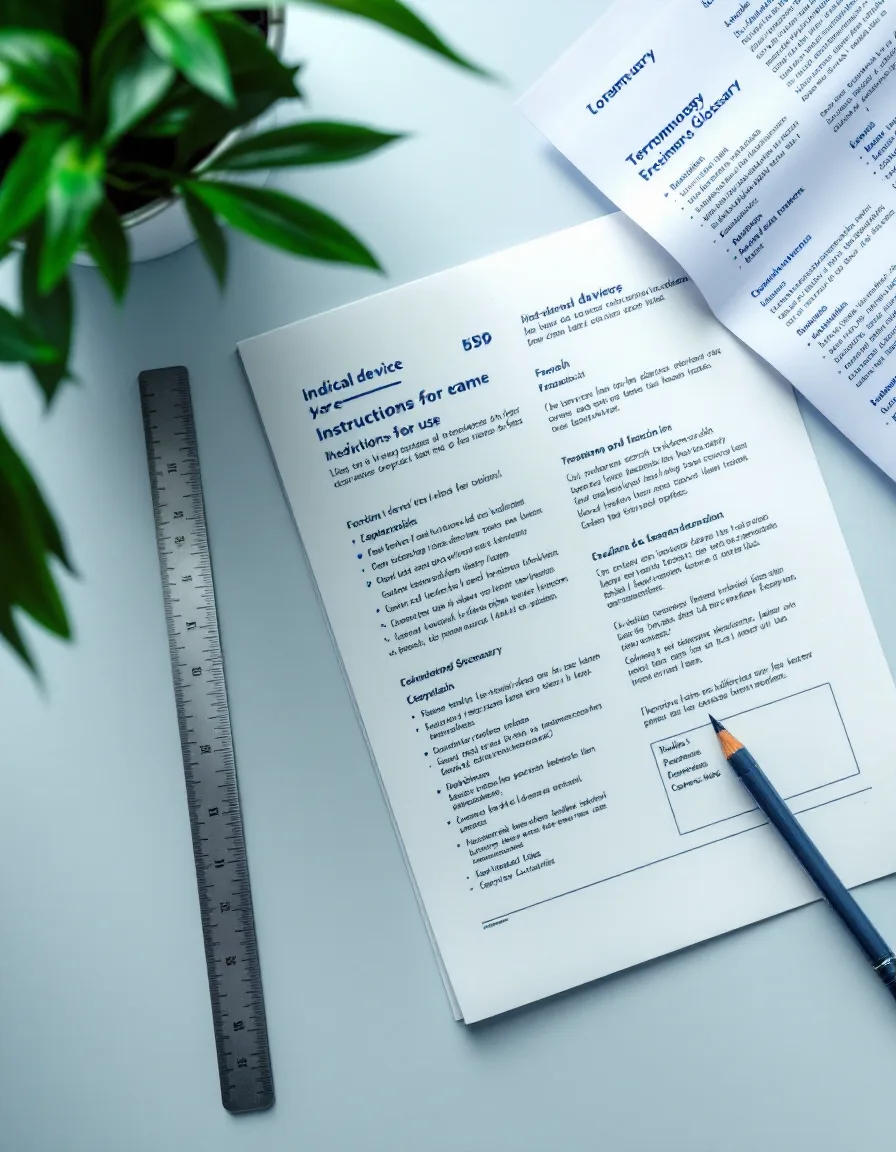
A printed instructions-for-use booklet with pencil notes in the margins beside a glossary sheet with highlighted terms
Fig. 01 — An IFU mid-revision. Every circled word gets checked against your glossary.

02 Why this desk exists

We built this for the moment someone asks, “What about Spanish?”

You know that moment. The build is green, the manual is signed off, the launch date is on the calendar — and then the question lands. What usually happens next is where localization goes wrong: a spreadsheet of strings gets emailed out with no screenshots, comes back a week later, and nobody checks it on the real screen until a customer does.

Fairweather & Lowe exists to own that gap. You get three languages — Spanish, Portuguese and French — handled for medical device and SaaS teams who can’t afford a clipped warning, a mistranslated button or one part with two names across an IFU.

Translating the words is the easy part. Owning the context is the job.

We run from a small desk in New Canaan, Connecticut, and we keep it small on purpose. Small means your glossary has a named keeper. It means one project lead holds your scope, your terms and your date from the first call to the signed certificate. And it means when we tell you a date is realistic, we’ve opened your files first.

You bring the build. We bring the linguists, the glossary discipline and the stubbornness to read every string where your user will read it. Ready to move?

Languages
Spanish · Portuguese · French
Who we serve
Medical device & SaaS teams
How you pay
Per project, fixed quote up front
Where
21 Rilling Rdg, New Canaan, CT

03 The house style guide

Six rules. Your project runs on every one of them.

These aren’t slogans — they’re how your files actually move through our desk. Each rule comes with the mistake it exists to stop, so you can see exactly what you’re paying to avoid.

  1. Non-negotiable
    Rule 01

    The glossary is law.

    Your terms get locked and signed off before translation starts. After that, every page and every revision follows them — no linguist gets a vote.

    ✗p. 4 “cánula” · p. 19 “tubo”✓“cánula” — every page, every revision

  2. Rule 02

    Nobody translates blind.

    String IDs, screenshots and developer notes travel with every segment. If context is missing, we ask you — we don’t guess and hope.

    ✗“Clear” → “Claro” (the adjective)✓“Clear” · btn.delete → “Borrar”

  3. Rule 03

    Two linguists on every segment.

    One translates. A second revises against source and glossary — meaning, numbers, units, warnings. You never ship a single pair of eyes.

    →Translate → Revise → Your sign-off✓Revision notes kept with the file

  4. On the device
    Rule 04

    The screen gets the last word.

    Your strings get reviewed inside your staging build, TestFlight or APK. Truncation, wrapping and wrong-context words get caught here — by us, with screenshots.

    ✗[ Enregistr… ]✓[ Enregistrer ] — button widened, filed

  5. Rule 05

    Your format goes back the way it came.

    Your developers shouldn’t rebuild anything to accept a translation. What you send is what you get back, ready to merge.

    ✓.xliff → .xliff · .strings → .strings✓.idml → .idml · DITA → DITA

  6. Rule 06

    Straight dates, said early.

    If your release date can’t hold a full regulatory set, you’ll hear it on the scoping call — along with what can fit, so you can plan around it.

    ✗“We’ll do our best.”✓“UI fits by your date. The IFU needs nine more days.”

→ Rules read. Now use them.

Put all six to work on your next release — starting with one 20-minute call.

04 Who holds your file

Your file changes hands four times. Every hand is named.

You always know where your project sits and who has it right now. Every hand-off travels with a short note on what changed — so nothing disappears between inboxes.

  1. Hand 1

    Project lead

    Opens your files, scopes the work, sets the date and keeps your glossary versioned.

    Passes on → locked glossary + annotated files
  2. Hand 2

    Translator

    Works segment by segment against your glossary and length limits, flagging anything over.

    Passes on → draft with length flags
  3. Hand 3

    Reviser

    A second linguist checks every segment against source — terms, numbers, units, safety wording.

    Passes on → revised file + notes
  4. Hand 4

    In-context reviewer

    Reads every string inside your build, at real font size, and files what breaks.

    Passes on → screenshot-backed issues
  5. Your side

    Your in-market reviewer

    Your colleague signs the glossary off once and spot-checks the final. Then it’s yours to ship.

    Final → approval, then your release

05 Our languages

Three languages. On purpose.

Going deep in three beats going thin in thirty. You get linguists who know how Spanish, Portuguese and French behave on a 320-pixel screen and in a regulatory file — and a glossary that grows sharper with every release you send.

Deliberately narrow

Spanish

  • es-MX
  • es-US
  • es-ES

Selling across the Americas? You can run one neutral Latin American base with small locale overrides — instead of paying for the same string three times.

Portuguese

  • pt-BR
  • pt-PT

Brazil and Portugal spell, phrase and address users differently. You pick the market; your glossary records the choice so it never drifts.

French

  • fr-FR
  • fr-CA

Often the longest of the three on screen. Expect your French strings measured against every limit you give us — and short forms proposed before anything clips.

Not on our desk
  • German
  • Italian
  • Japanese
  • Chinese
  • Arabic

We don’t quietly farm out languages we don’t own. If your launch needs one of these too, you’ll hear that on the first call — so you can plan it properly instead of finding out late.

By appointment
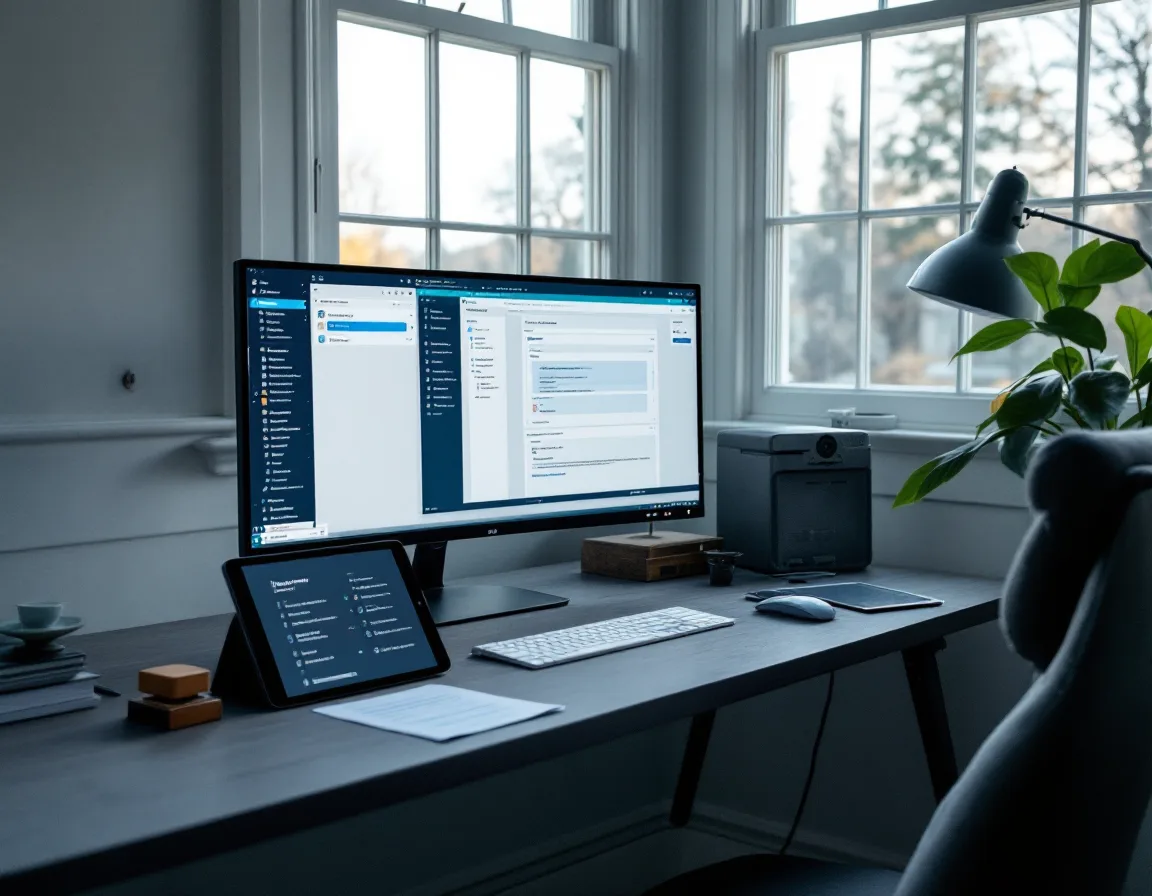
A tidy translation desk by a mullioned window with a bilingual editor on screen and a blue-stamped approval sheet

06 The desk

Find us on Rilling Ridge — call first.

Most of your project happens in your tracker and your build, wherever your team sits. When you’d rather sit across a table and walk a file together, book a time and come to New Canaan.

21 Rilling Rdg
New Canaan, CT 06840
Hours
By appointment — book a call

→ Your languages, owned

Bring your files. Walk away with a scope, a date and a fixed price.